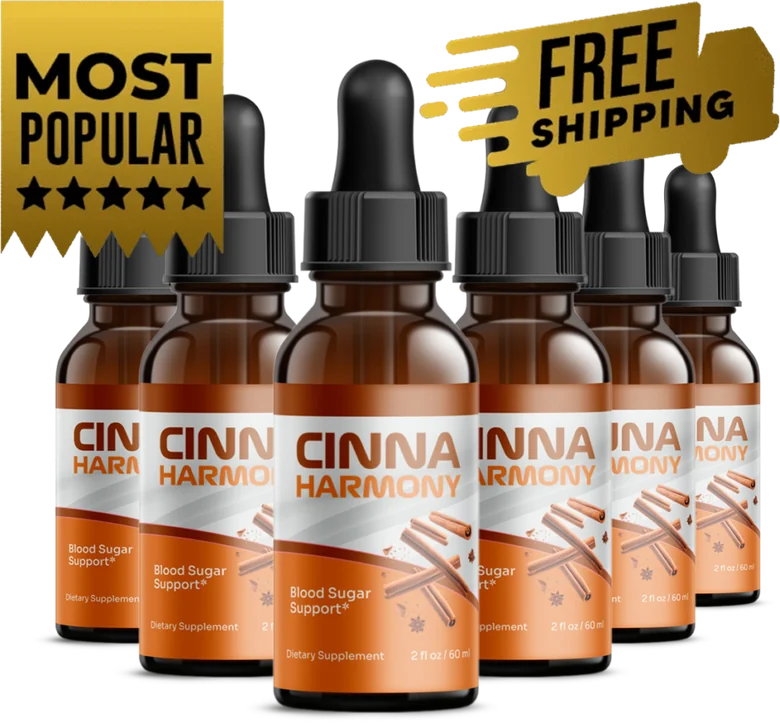
Why 'FDA Approved' Is A Red Flag
The FDA does not approve dietary supplements. Here's why the claim shows up anyway, and how to spot it.
Scroll through enough supplement pages and you'll eventually spot the words “FDA Approved” sitting next to a green checkmark, right beside “Made in USA” and “GMP Certified.” It looks like it belongs there. It doesn't — and understanding why it's used anyway says something useful about how trust signals actually work.
A claim that isn't legally possible
Here's the flat fact: the FDA does not approve dietary supplements. Approval is reserved for drugs that go through a formal clinical trial and review process. Supplements are regulated differently — manufacturers register their facilities and are responsible for safety, but no government body reviews and approves a supplement formula before it goes on sale. A label claiming “FDA Approved” isn't describing a lesser-known certification. It's describing something that, for a supplement, doesn't exist.
Why it works on the page anyway
Trust badges work through a well-documented shortcut: people scan for familiar institutional names and associate their presence with vetting, without necessarily reading the exact wording. “FDA” is one of the most recognized acronyms in American health marketing, and pairing it with “Approved” taps directly into that recognition, regardless of whether the specific claim is accurate.
The real claim it's usually standing in for
Most of the time, what's actually true is narrower and less impressive-sounding: the product is made in an FDA-registered facility. That's a real, checkable claim about where something was manufactured — not a statement that anyone reviewed and approved the formula itself. The gap between “registered” and “approved” is small in wording and large in meaning, which is exactly why it gets blurred.
What actually helps here
A few concrete habits make this kind of claim easy to catch:
- Treating “FDA Approved” on any supplement label as an automatic red flag, since the claim isn't possible for this product category
- Looking for the more specific, and more honest, “FDA-registered facility” language instead
- Remembering that manufacturing-location claims and formula-safety claims are two different things, even when a badge tries to blend them
That's exactly why we use the accurate language throughout this site — see it in all 6 key ingredients explained.
The honest caveat
None of this means a product using inaccurate FDA language is automatically worthless — sloppy marketing copy and formula quality are two different questions. But a false regulatory claim is worth noticing on its own, since it tells you something about how carefully the rest of the page was written.